How to Mix Wood Tones Like a Pro (Without It Looking Mismatched)
Mixing wood tones feels risky, but designers do it all the time. Here's the exact method to combine different woods in one room without it looking like a mess.
Mixing wood tones is easily one of the biggest sources of decorating anxiety. I hear it all the time: I just bought this beautiful walnut dining table, but can I pair it with light oak chairs? Is my teak cabinet going to clash with the pine floors? Does everything have to match?
The short answer: No. In fact, please don’t match them.
A room where the dining table, chairs, sideboard, and floors are all the exact same wood and stain doesn’t feel designed—it feels like a furniture showroom. It’s flat, lacks personality, and feels a bit sterile.
If you look at any space that feels warm, layered, and collected over time, you’ll notice designers mix woods constantly. The secret isn’t about avoiding the mix; it’s about understanding how the undertones and grains talk to each other. Once you get the hang of a few simple guidelines, combining wood tones becomes incredibly intuitive.
Why Matching Wood Is a Design Trap
When every wood piece in a room matches perfectly, your eyes don’t have anywhere to rest. There’s no contrast to break up the space. It’s the visual equivalent of painting your walls, ceiling, and trim the exact same shade of beige and wondering why the room feels lifeless.
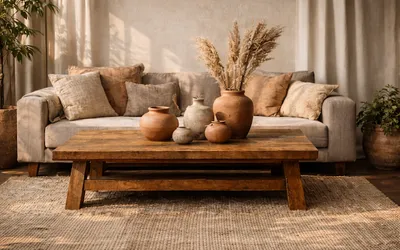
Varying your woods brings texture, depth, and character. A dark walnut coffee table placed on a light oak floor creates a focal point. The contrast gives the table presence—it tells the eye that the piece was chosen intentionally, not just bought as part of a bundle.
Nature never matches. If you walk through a forest, you’ll see silver birch, deep oak, and reddish pine all living side by side. It looks right because the variety is what creates the harmony. We want to bring that same organic, unforced feeling into your home.
The Secret Is in the Undertones
If you only take away one rule from this guide, make it this one: always look at the undertone.
Just like paint colors, every wood has a dominant undertone that leans warm, cool, or neutral.
Warm Woods (Red, Orange, or Amber hues)
- Cherry
- Mahogany
- Red oak
- Teak
- Acacia
Cool Woods (Grey, Ashy, or Dark Espresso hues)
- Grey-washed oak
- Driftwood
- Wenge
- Ebony
Neutral Woods (Muted, earthy browns)
- Walnut (the ultimate design chameleon)
- White oak
- Maple
- Birch
The Golden Rule: Keep your undertones consistent. You can mix a light neutral oak with a dark walnut table because they both share a clean, brown base. What you want to avoid is putting a strongly red cherry wood right next to a cool, grey-washed cabinet. When warm and cool woods fight for attention without a neutral bridge, the space starts to feel disjointed.
A Simple 3-Step Mix Method
Step 1: Identify Your Dominant Wood
Start with the largest wood surface in the room. In most spaces, this is either your hardwood flooring or a massive furniture piece like a dining table or bed frame. Figure out if this dominant tone is warm, cool, or neutral. This is your anchor.
Step 2: Introduce Contrast
Once you know your dominant tone, choose a secondary wood that is strongly contrasting in lightness, but shares a similar undertone.
Some classic combinations:
- Light oak floors (neutral/warm) + a dark walnut dining table (neutral)
- Warm teak table (warm) + mid-tone acacia chairs (warm)
- Dark espresso bed frame (cool/neutral) + pale maple nightstands (neutral)
Step 3: Use a “Bridge”
If you do end up mixing woods that feel a bit disconnected, you need a visual bridge to tie them together.
A bridge can be:
- A small accessory: A walnut bowl on a light oak table, or black frames on a pine shelf.
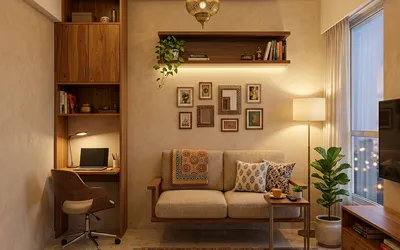
- Non-wood textures: A cream linen rug placed between a dark table and dark wood floors creates visual breathing room.
- Metal elements: Brass, matte black, or iron hardware can draw attention away from the wood clash and pull the room together.
How Many Wood Tones Can You Mix?
Stick to two or three wood tones per room.
Think of it like the 60-30-10 rule:
- 60% should be your dominant wood (usually the floors).
- 30% is your secondary wood (large furniture pieces).
- 10% is your accent wood (frames, bowls, small stool).
If you go beyond three wood tones, the room can start to feel cluttered and chaotic rather than intentionally curated.
Real-Life Pairings That Work Every Time
- The Scandinavian/Japandi Mix: Light oak floors + walnut furniture + birch accents. It feels bright, earthy, and grounded.
- The Warm Modern Look: Teak floors + mango wood table + brass accents. Perfect if you love a cozy, mid-century modern vibe.
- The High-Contrast Edit: Charcoal/espresso floors + light maple nightstands + neutral oak accents. Very clean, architectural, and sophisticated.
Don’t Forget About the Grain
Sometimes, contrast isn’t about color—it’s about the grain pattern.
- Woods like oak and pine have heavy, rustic, highly visible grains.
- Woods like maple and walnut have tight, smooth, almost invisible grains.
If you have two pieces of wood that are similar in color, make sure their grains are different. Pairing a rustic, knotted pine table with very clean, grain-free maple chairs creates a lovely texture contrast without adding color noise.
Final Thoughts
The biggest hurdle to mixing wood tones isn’t the technique; it’s giving yourself permission to do it. We’ve been conditioned by big-box stores to think that bedroom and dining sets have to match. They don’t.
Embrace the mix. It makes your home feel lived-in, collected over time, and uniquely yours.
If you’re looking for more ways to layer natural elements, check out our guide on styling clay, terracotta, and organic materials in modern spaces.
Struggling with a specific wood pairing in your home? Drop us a line with photos—we love solving a good design puzzle.